







Search Results for: Villa Sarchí Variety
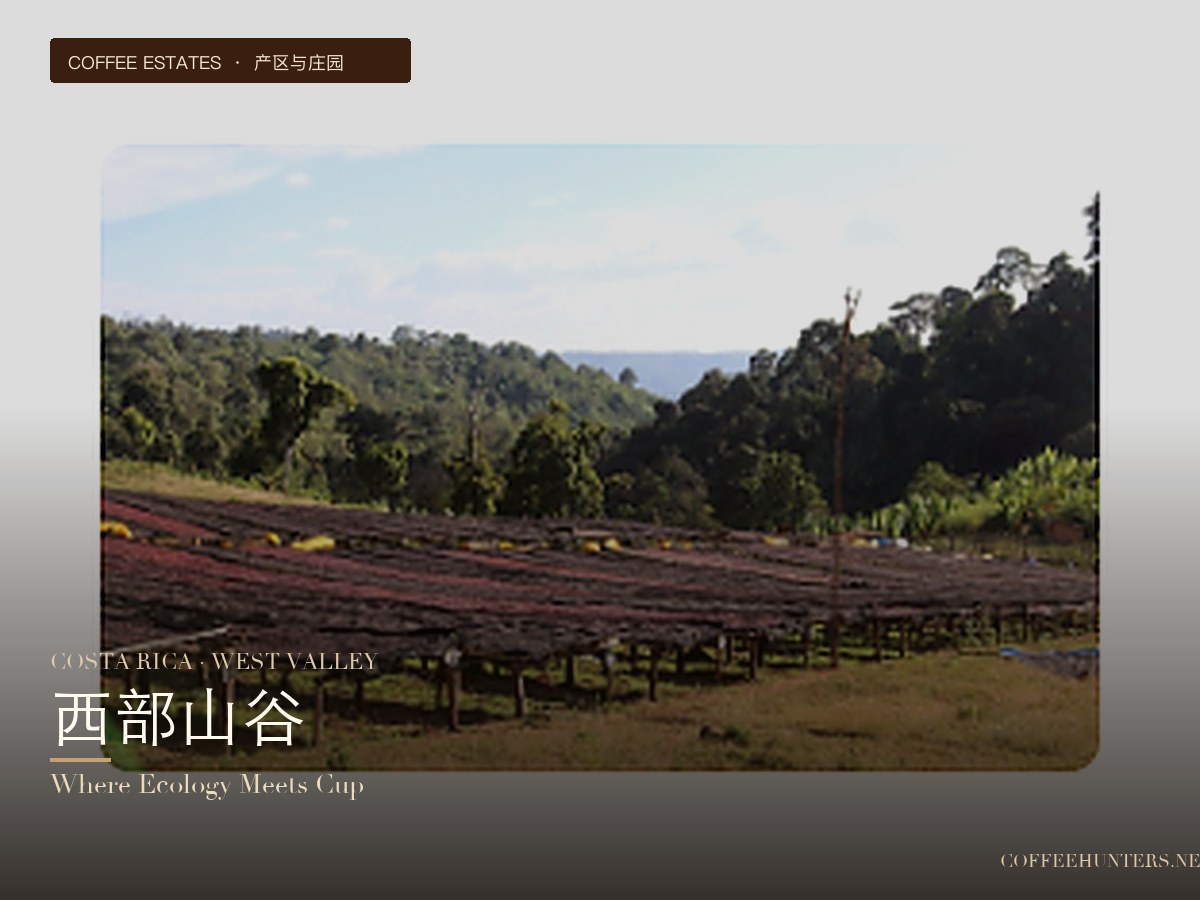
Costa Rica · Western Valley: A Representative of Ecological Specialty
The Western Valley is one of Costa Rica's four major specialty coffee regions, known for its eco-friendly growing philosophy and diverse processing methods. This article introduces the characteristics and signature flavors of this region. [more…]
Flavor Analysis and Brewing Performance of Costa Rica Orange County Hernansoris Single Villa Sarchi Coffee
The Orange County region in Costa Rica's Western Valley has long been renowned for its delicate flavors, and the micro-lots produced by the Elsa processing plant are among the finest. This article focuses on the single variety Villa Sarchi cultivated at the Hernán Solís farm, a variety originating from a natural mutation of ancient Bourbon that has long adapted to the high-altitude climate of Orange County. The farm is located in the Llano Bonito area at an altitude of 1,600 to 1,700 meters, and together with the rigorous post-processing procedures of the Elsa washing plant, it has produced a coffee that combines bright acidity, a solid body, and excellent balance. From dry and wet aromas to cupping performance at different roast levels, and then to Front Street Coffee's recommendation, this article will provide a complete analysis of this bean's flavor profile and multifaceted character. [more…]
Front Street Bean Hunters' Notes: A Complete Analysis of the Flavor and Roasting of Nicaragua Los Congos Estate Villa Sarchi Natural Coffee
Although Nicaragua is not as well-known as other Central American countries, it possesses high-altitude shade-growing conditions and fertile volcanic soil that are no less impressive. The Villa Sacchi natural bean from Los Congos Estate, sourced this time by Front Street Coffee, comes from the Nueva Segovia region, at an altitude of 1,350 to 1,650 meters, SHG grade. The estate insists on self-sufficiency and organic cultivation, and its Pacamara once won runner-up in the COE. This Bourbon varietal bean, after natural processing, presents intertwined flavors of floral notes, citrus, berries, cream, and peanut, with a full and balanced mouthfeel. Front Street Coffee's roaster adopted a lower bean-charging temperature with a medium flame that gradually decreases, developing for 1 minute and 50 seconds after first crack, and dropping at 195°C, performing excellently in both cupping and pour-over. [more…]
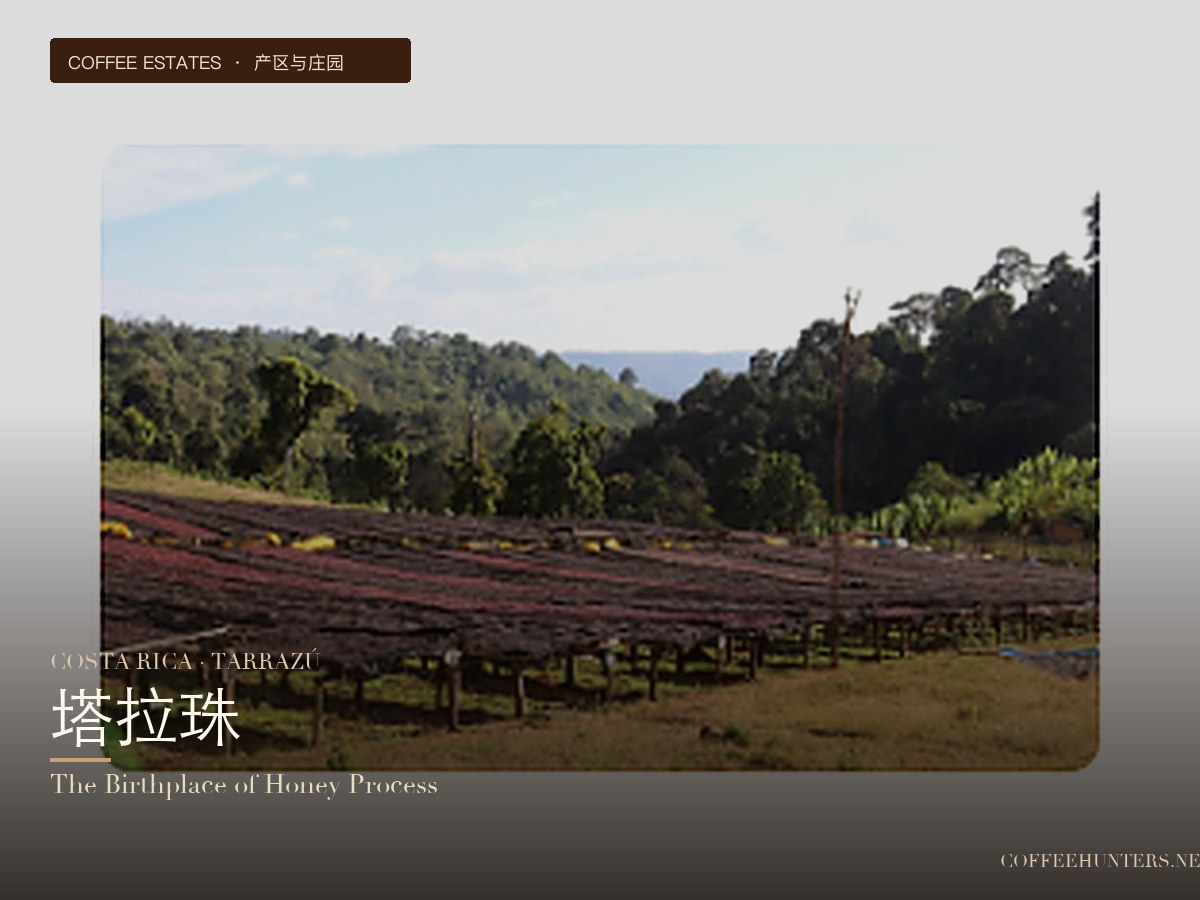
Costa Rica · Tarrazú: The Birthplace of Honey Processing
Tarrazú is Costa Rica's most renowned specialty coffee region and the birthplace of the world's "honey process" method. This article takes you through Tarrazú's geography, the birth of the honey process, and the unique flavors of this region. [more…]
Costa Rican Coffee Bean Regions, Varieties, and Flavor Characteristics: Eight Major Producing Areas Including Tarrazú and Front Street Recommendations
Costa Rican coffee has long been renowned for its rich body and bright acidity, making it one of the representatives of high-altitude specialty Arabica. This article systematically reviews the country's main producing regions—Tarrazú, Monte Criso, Alajuela, Cartago, Heredia, and Tres Ríos—and introduces cultivars such as Typica, Caturra, Catuai, Villa Sarchi, Bourbon, and Gesha, as well as washed and drum-dried processing methods. The article also includes purchasing suggestions for Front Street Mozart, Front Street Strawberry Candy, and Front Street Tarrazú, helping coffee enthusiasts gain a comprehensive understanding of the flavor characteristics of Costa Rican coffee and how to choose it. [more…]
A Comprehensive Analysis of Costa Rican Coffee Bean Flavor Characteristics and Specialty Regions Such as Tarrazú
Costa Rican coffee is known for its plump beans, pleasant acidity, and rich aroma, and Tarrazú in particular is a specialty-producing region that attracts global attention. Starting from the overall characteristics of Costa Rican coffee beans, this article outlines its volcanic soil, high-altitude cultivation, and "Strictly Hard Bean" grading system, and introduces representative origins such as Tarrazú La Marta and Sarchí one by one, showing how this Central American coffee kingdom strikes a balance between yield and quality, while also retaining Front Street Coffee's recommendations and product information for Costa Rican coffee beans. [more…]
A Complete Analysis of Honduras Coffee Region Classifications: The Six Major Regions and Detailed Explanation of SHG and EP Grade Standards
Honduras, through continuous investment in green bean processing and transportation in recent years, has risen to become the second-largest coffee exporter in Central America and the tenth-largest globally, harvesting approximately three million bags of coffee beans each year. Front Street Coffee's Honduran coffees cover six major regions: Copán, Opalaca, Montecillos, Comayagua, Tropical Acata, and El Paraíso, with an average cultivation altitude exceeding 1,100 meters. This article will systematically introduce the origin distribution, variety composition, export markets, and the two major quality grading standards, SHG and EP, of Honduran coffee, helping coffee enthusiasts gain a comprehensive understanding of the unique charm of this emerging Central American origin. [more…]

A Complete Guide to Cuban Coffee Regions: Island Terroir, Varietal Characteristics, and the Crystal Mountain Grading System
The Caribbean region is home to numerous islands suitable for coffee cultivation, and Cuba is one of the producing countries that cannot be overlooked. This island nation, called "fertile land" in the Taíno language, relies on its tropical savanna climate, abundant rainfall, and fertile soil to cultivate distinctive coffee on hillsides and in valleys at elevations of 1,000 to 1,900 meters. Cuba mainly grows Typica, along with varieties such as Bourbon, Caturra, and Catimor, with the harvest period lasting from September each year to March of the following year. Among these, Crystal Mountain coffee has attracted much attention because its flavor is close to Jamaica Blue Mountain, and it is even regarded by the Japanese market as a top-grade variety. Through this article, Front Street Coffee will guide you through the distribution of Cuba's coffee-producing regions, its variety structure, and the nine-grade classification system from Crystal Mountain to Peaberry, fully presenting the coffee profile of this Caribbean island nation. [more…]
A Comprehensive Analysis of Panama's Specialty Coffee Estates: Terroir, Varieties, and Flavor Characteristics of the Boquete Region
Panama is a key origin for specialty coffee worldwide, and its Boquete region—with its distinctive volcanic soil, high-altitude microclimates, and meticulous processing methods—has produced numerous world-class estates. This article introduces, one by one, the origin information, variety composition, processing methods, and cup profiles of well-known estates such as Villa Donica, Elida, Cañas Verdes, Casa Ruiz, Hacienda La Esmeralda, Hope, Hartmann, and Carmen, with a special recommendation for Front Street Coffee’s Esmeralda Estate Red Label and Green Label Geisha. Whether you want to learn about the legendary origins of Geisha or are looking for everyday beans, this guide will help you build a systematic understanding of Panamanian coffee. [more…]
A Complete Guide to the World's Twelve Great Specialty Coffee Regions: The Flavor Geography from Colombia to India
The flavor code of coffee is often hidden in the land where it grows. From the Andes in South America to the highlands of Africa, from the Caribbean islands to the archipelagos of Asia, each producing region shapes an unrepeatable landscape in the cup through its unique climate, altitude, and processing methods. This article will take you on a visit to twelve globally recognized high-quality coffee origins—Colombia's balanced smoothness, Ethiopia's wild wine-like aroma, Jamaica Blue Mountain's scarce legend, Yemen Mocha's complexity and variability, as well as the distinctive personalities of Kenya, Indonesia, Hawaii, and other places. Whether you are a beginner pour-over enthusiast or a seasoned player looking for your next bag of beans, this origin guide can help you build a clearer flavor coordinate system. Front Street Coffee will also accompany you in understanding the origins while finding the cup that suits you. [more…]

A Complete Analysis of the Flavor Characteristics and Varieties of Latin American Single-Origin Coffee Beans: A Regional Guide from Brazil to Costa Rica
The global coffee-growing belt can be divided into three major regions: Africa, Asia-Pacific, and Latin America. Among them, Latin America is known for its mellow, balanced character reminiscent of cocoa and dark chocolate. Starting from Front Street Coffee's everyday beans series, this article systematically reviews the historical origins, variety characteristics, and processing method evolution of Latin American coffee, and interprets one by one the flavor codes of representative producing countries such as Brazil, Colombia, Panama, Costa Rica, Honduras, Jamaica Blue Mountain, and Nicaragua. The article also includes brewing parameters and flavor descriptions for specific beans such as Front Street Queen's Estate Yellow Bourbon, Sidra, Boquete Geisha, Mozart, washed Caturra, Blue Mountain No. 1, and Villalobos, providing coffee lovers with a guide to Latin American coffee that is both informative and practical. [more…]
Flavor Analysis and Brewing Guide for Costa Rica Villa Estate Villa Sarchi Red Honey Process Coffee Beans
Costa Rica stands out in the specialty coffee world with its innovative honey processing methods, which can significantly reduce water consumption while imparting a distinct sweetness to the coffee. This article focuses on the Villa Estate Villalobos variety selected by Front Street Coffee, a bean grown in the Central Valley at an altitude of 1,500 meters, using red honey processing, retaining 70% of the mucilage layer for shade drying. The article will guide you through the terroir conditions of the Central Valley, the estate owner Carlos's dedication to varietal diversity, and the unique background of Villalobos as a natural mutation of Bourbon. Additionally, Front Street Coffee's roaster shares a medium-light roasting approach and V60 three-stage brewing parameters to help you fully recreate the sweetness and pleasant acidity of this bean. [more…]
Pour-over Brewing Method and Flavor Analysis of Costa Rica Villa Estate Red Honey Process SHB Coffee Beans
Costa Rica is renowned in the coffee world for its innovative honey processing methods, and the red honey SHB-grade coffee beans from Hacienda Villa in the Central Valley are a prime example of this processing style. This article will break down the unique qualities of these beans layer by layer—from the terroir of the producing region and the estate's background to the characteristics of the Villalobos variety and the red honey processing technique—and will also include Front Street Coffee's roasting approach and pour-over parameter recommendations to help you fully unlock the sweetness and acidity of these beans, so you can brew a cup of richly layered Costa Rican flavor at home. [more…]
A Complete Guide to Latin American Coffee Regions: Flavor Profiles, Processing Methods, and Brewing Guides for Signature Beans
Among the world's three major coffee-producing regions, Latin America stands out for its balanced taste and rich, cocoa- and dark-chocolate-like flavors. This article systematically reviews the coffee-growing backgrounds, main producing areas, processing method characteristics, and flavor profiles of countries such as Brazil, Colombia, Panama, Costa Rica, Honduras, Jamaica, Guatemala, and Nicaragua, and combines them with Front Street Coffee's everyday beans series and brewing methods to help coffee lovers build an overall understanding of Latin American coffee, making it a valuable reference for both everyday purchasing and pour-over practice. [more…]
A Complete Guide to Central and South American Coffee Regions: Flavors, Varieties, and Key Producing Countries of Latin American Coffee Beans
The world's coffee belt can be divided into three major producing regions: Africa, Asia-Pacific, and Latin America, each presenting distinctly different flavor profiles. African beans are known for their fruity acidity, Asian beans for their herbal richness, while Latin American coffees fall somewhere in between, celebrated for their balanced, mellow character reminiscent of cocoa and dark chocolate. This article focuses on the Central and South American producing regions, examining country by country—Brazil, Colombia, Panama, Costa Rica, Honduras, Jamaica, Guatemala, and Nicaragua—their coffee varieties, processing methods, major producing areas, and flavor characteristics, and combines this with Front Street Coffee's everyday drinking bean series and brewing demonstrations to help coffee enthusiasts build a systematic understanding of Latin American coffee. [more…]
A Complete Analysis of Latin American Coffee Regions: Flavor Profiles and Processing Methods of Coffee Beans from Eight Countries Including Brazil and Colombia
Latin America is one of the most important coffee-producing regions in the world. From Brazil to Colombia, from Panama to Guatemala, each country shapes a distinctively different coffee flavor profile through its unique geography and processing methods. This article systematically reviews the producing regions, bean varieties, processing methods, and cupping performance of eight major Latin American coffee-producing countries, and combines Front Street Coffee's daily drinking bean series with Front Street Coffee's brewing methods to help coffee lovers fully understand the balance and cocoa-chocolate notes of Latin American coffee. Whether you are a beginner just starting out or a seasoned enthusiast, you can find the cup that suits you. [more…]
Costa Rica Tank Estate Natural Villalobos Coffee Bean Variety Analysis, Flavor Characteristics, and Front Street Brand Recommendation
Tank Estate in Costa Rica's Central Valley produces a sun-dried Villasarchi coffee bean that has won the favor of many coffee lovers with its outstanding sweetness and soft fruit acidity. As a variant of Typica, Villasarchi performs excellently in high-altitude environments and has strong wind resistance, thriving even in poor soil. This article will comprehensively analyze this coffee from the perspectives of variety origin, origin grading, and estate processing methods, and share Front Street Coffee's recommended brewing parameters and flavor description, taking you deeper into understanding how sun-drying gives the coffee bean layers of caramel, nuts, and lime-like notes. [more…]
How Does a Costa Rican Natural Bean Perform as an SOE? Sonora Estate Villa Sarchi Single-Origin Espresso Recommendation
Costa Rican coffee has always been known for its clean sweetness, but what kind of espresso experience is created when sun-dried processing meets the ancient variety Villa Sarchi? This article focuses on the Sonora Estate sun-dried Villa Sarchi offered by Front Street Coffee, breaking down everything from the estate's century-long history and environmentally sustainable cultivation model to the variety's origins and processing method characteristics, to determine whether this bean can handle the role of an SOE. The Sonora Estate's pioneering position in varieties and processing methods, the micro-mill's strict quality control, and the sun-drying line's signature juicy winey aroma and ripe fruit florals are all key clues for judging its espresso performance. [more…]
Analysis of Costa Rican Coffee Varieties: Cultivation Characteristics and Origins of Villa Sarchi, H1, and Obata
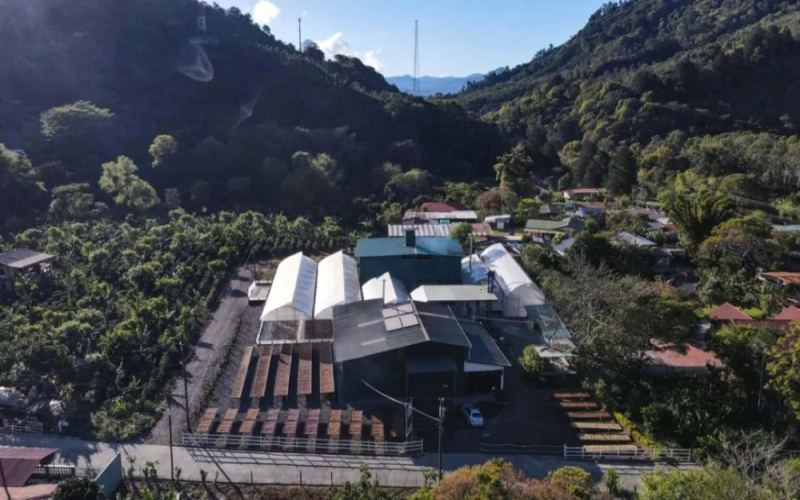
Costa Rica is renowned worldwide for its high-quality Arabica coffee. Although its total production is limited, the country strictly guarantees coffee quality through legislation, making it the only country in the world that prohibits the cultivation of non-Arabica varieties. Initially, Caturra and Catuai were the main varieties, but the threat of leaf rust prompted Costa Rica to introduce and develop more new varieties. Today, in addition to Caturra and Catuai, varieties such as Villa Sarchi, H1, and Obata are gradually emerging. Front Street Coffee's entry-level selection series, Costa Rica Tarrazu coffee beans, uses Caturra and Catuai. After washed processing, they carry a slight fruity acidity, with flavors of sweet orange, nuts, and honey, and a smooth lingering sweetness. This article will provide a detailed introduction to the origins, characteristics, and cultivation performance of these varieties. [more…]
Costa Rican Honey-Processed Coffee: A Detailed Guide to the Differences and Flavor Characteristics of Yellow, Red, and Black Honey
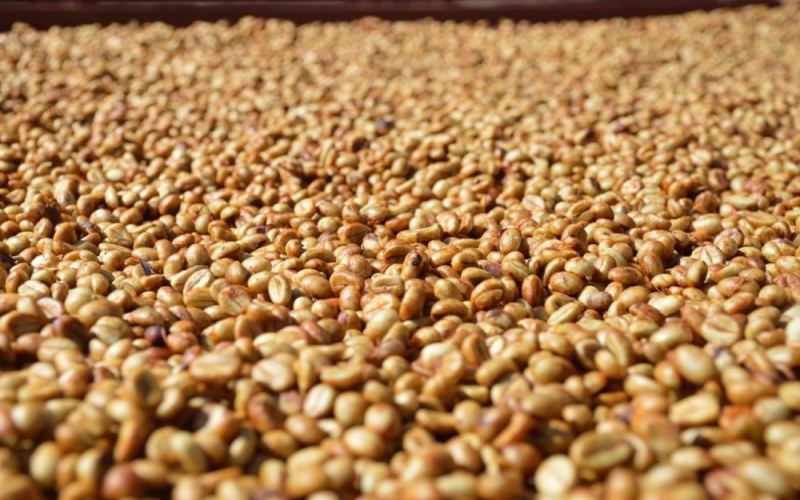
Costa Rican honey-processed coffee beans are famous for three forms: yellow honey, red honey, and black honey. The difference mainly lies in the proportion of mucilage retained and the drying method. Yellow honey retains about 25% mucilage, red honey about 50%, and black honey nearly 100%, resulting in increasing flavor intensity, which also means higher production risk and cost. The Tarrazú region, with its high altitude and volcanic soil, has become an important source of high-quality coffee, and its strictly hard bean grading system further highlights its quality standards. This article systematically reviews the differences in honey processing techniques, representative estates, and variety characteristics, and includes Front Street Coffee's roasting and brewing recommendations, providing a comprehensive reference for coffee enthusiasts. [more…]